
ART EXHIBITIONS:


WHAT IS SPACORE?
SABBATH SUMMER SOLSTICE VOL.2
ANIMATIONS SCREENING 1.
I’d like to invite everyone to my subjective selection of works of the polish school of documentary and animation from the 20th century, that will be screened on upcoming SABBATH.
Movie frames in order of appearance:
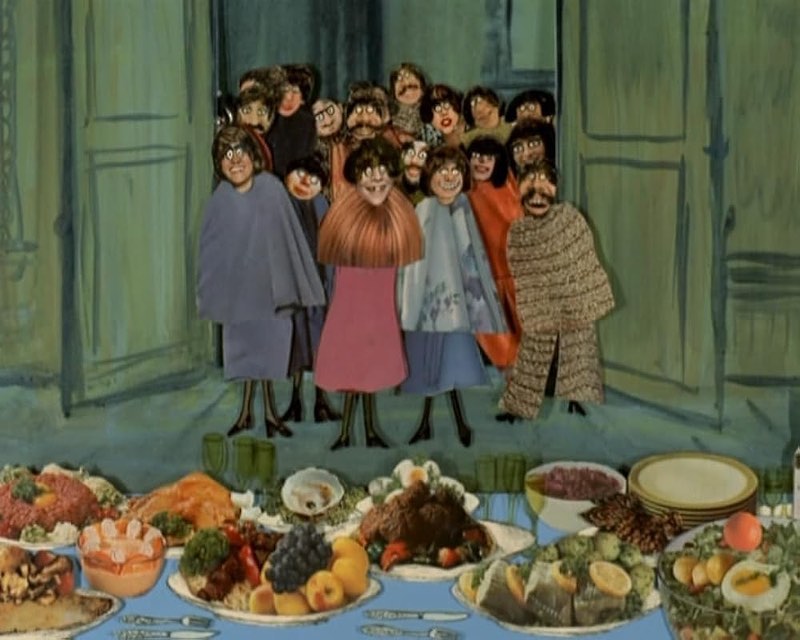
1. “Bankiet” – Zofia Oraczewska 1976 PL
A satire on the consumer society of the 1970s.
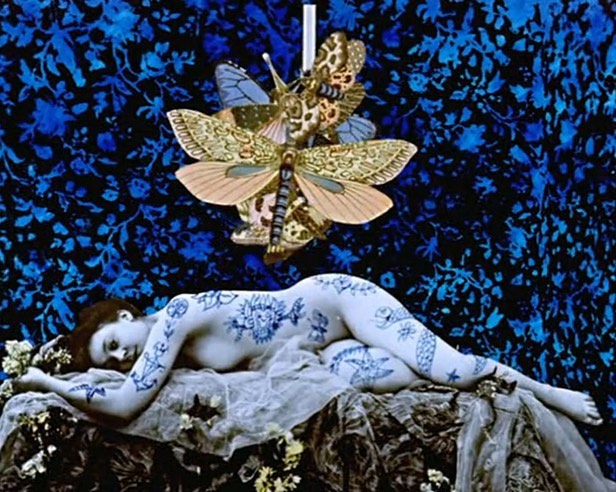
2. “Labirynt” – Jan Lenica 1963 PL
It is difficult to remain human in a surreal reality. It is also difficult to escape from it.
3. “Solo na ugorze” – Jerzy Kalina 1981 PL
A puckish tale of a farmer whose arduous plowing is accompanied by a pathetic song from the Stalinist era.
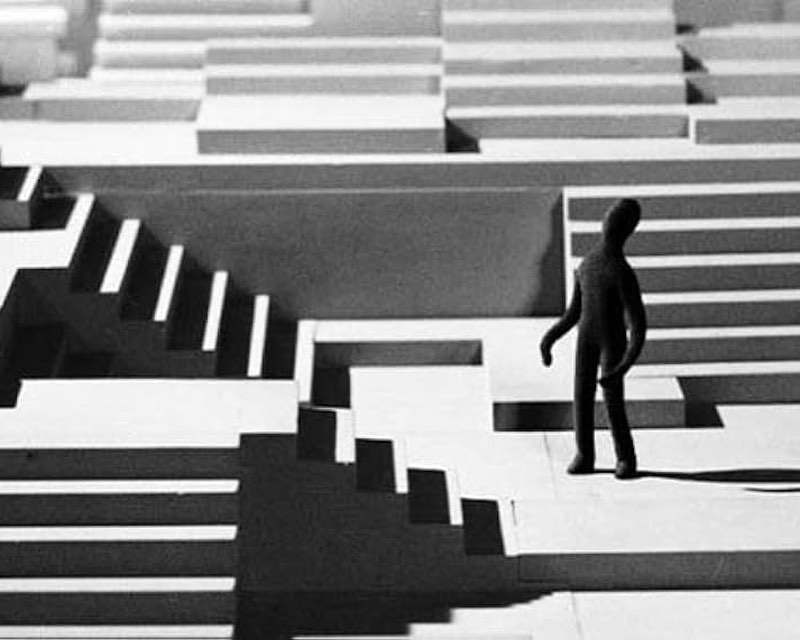
4. “Schody” – Stefan Schabenbeck 1968 PL
A nameless figure wanders around a monumental structure consisting only of stairs.
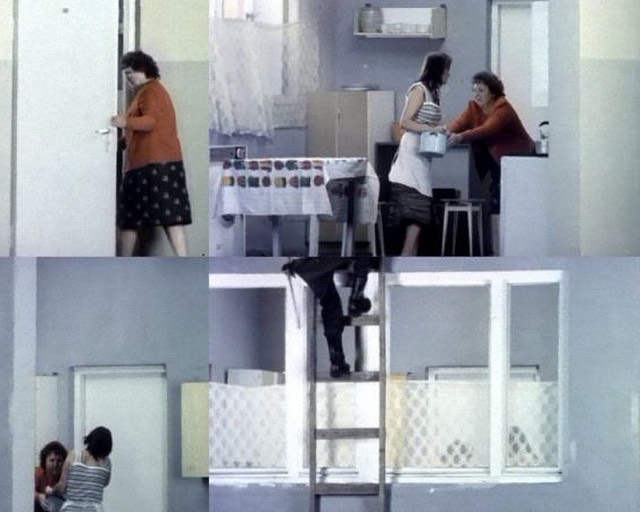
5. “Blok” – Hieronim Neumann 1982 PL
Residents of the new block go about their daily routine activities.
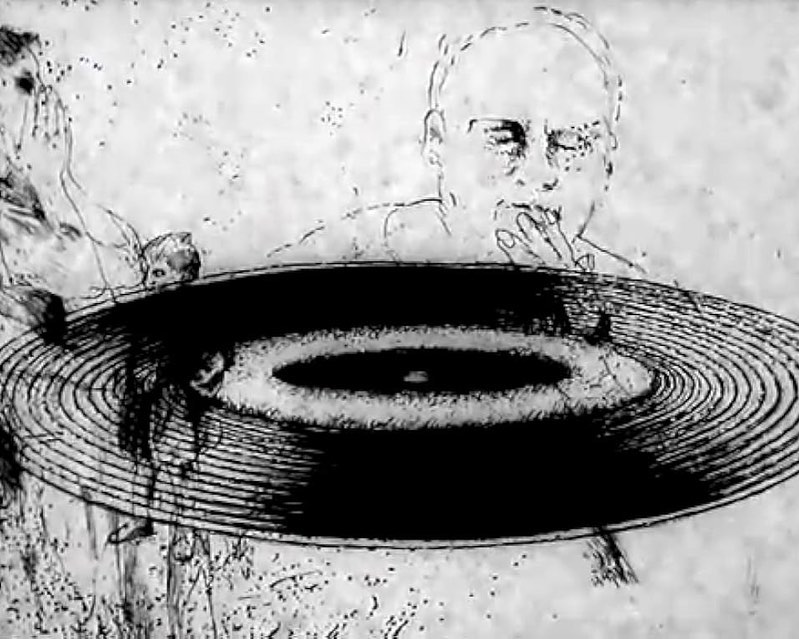
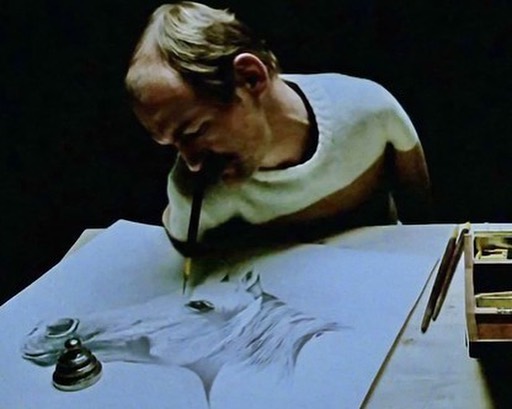
6. “Kilka opowieści o człowieku” – Bogdan Dziworski 1983 PL
The protagonist of the film is Jerzy Orlowski – a man who has reached the peak of physical fitness despite his profound disability – he does not have both hands. At the same time, he is great at sports and is a masterful drawer. In the film he is portrayed as a strong man, a successful man. Only at the end he betrays the usual human despair and rebellion of a cripple.
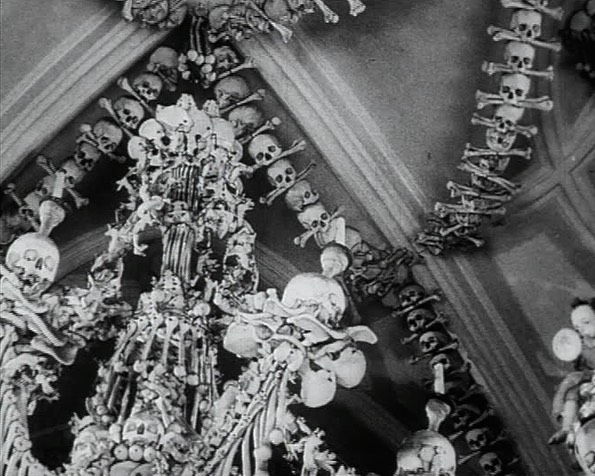
7. “Kostnice” – Jan Svankmajer 1970 CZE
A non-narrative voyage round Sedlec Ossuary, which has been constructed from over 50,000 human skeletons (victims of the Black Death).
And many more:
“Galapagos” – Hieronim Neumann 1985 PL
“Strojenie instrumentów” – Jerzy Kucia 2000 PL
“Klatki” – Mirosław Kijowicz 1967 PL
“Koń” – Witold Giersz 1967 PL
“Ciemność, światło, ciemność” – Jan Svankmajer 1989 CZE
“Magritte” Maciej Ćwiek 1995 PL
“Ostry film zaangażowany. Non camera” – Aniela Jaskólska PL
“CZERWONE I CZARNE” Witold Giersz 1963 PL
“Zmiana warty” – Halina Bielińska 1959 PL
“Dziewczyna z marzeń” – T. Zygadło 1968 PL
“5/4” – Hieronim Neumann 1979 PL
“Muzykanci” – Kazimierz Karabasz 1960 PL
“Pożar! Pożar! Coś nareszcie dzieje się” Marek Piwowski 1967 PL
“Życie jest piękne” – Tadeusz Makarczyński 1957 PL


SABBATH VOL.3 SPRING EQUINOX
Animations screening vol.2
I’d like to present one more time a curation of marvelous eastern animations. Some of the older ones are isolated pieces that don’t have a theatrical release, the other, more contemporary, have been already circulating around festivals.
All these films grapple with alienation and transformation in surreal, often nightmarish worlds. Whether it’s the dystopian horror of information overload, the search for identity in strange surroundings, or critiques of oppressive systems, they all expose the tension between the individual and forces beyond their control.
1. “Dull Spots of Greenish Colours” – Sasha Svirsky 2024 DE
2. “Acid Rain” – T.Popakul 2019 PL
3. “Baths” – Tomek Ducki 2013 PL
4. “Ziegenort” – T. Popakul 2013 PL
5. Poradnik Uśmiechu 1 (“Smile Guide”), Jak skutecznie jabłko – Wiktor Stribog 2013 PL
6. “Shivering Trunks” – Natalia Brożyńska 2011 PL
7. “Danny Boy” – Marek Skrobecki 2010 PL
8. “Domečku vař” – Jirí Barta 2008 CZE
9. “Ichthys” – Marek Skrobecki 2005 PL
10. “Golem” – Jiri Barta 1996 CZE
11. Excerpt of “Son of the White Mare” – Jankovics Marcell 1981 HU
12. “Disc Jockey” – Jirí Barta.1980 CZE
13. “Sharp Film Involved” – Julian Antoniszczak 1980 PL
14. “Punch and Judy” – Jan Švankmajer 1966 CZE
15.. “House” – Walerian Borowczyk 1959 PL
WHAT THE F*CK
IS BERLIN SCENE LAB?
THIS IS A LIVE CINEMA EVENT.
FIVE SCENES HAVE BEEN PERFORRMED LIVE AND SIMULTANEOUSLY BROADCAST TO SCREENS WITHIN THE VENUE.
IT WAS unlike anything Berlinale has ever seen…


